LVP Flooring Cost by Room: Budget Smarter for Your Home
By Sophie Ma Home Renovation Trends Editor, Oscar Surfaces
September 22, 2026
Learn what drives LVP flooring cost, from plank quality and subfloor prep to labor and waste. Use practical budgeting tips before choosing your new flooring project.

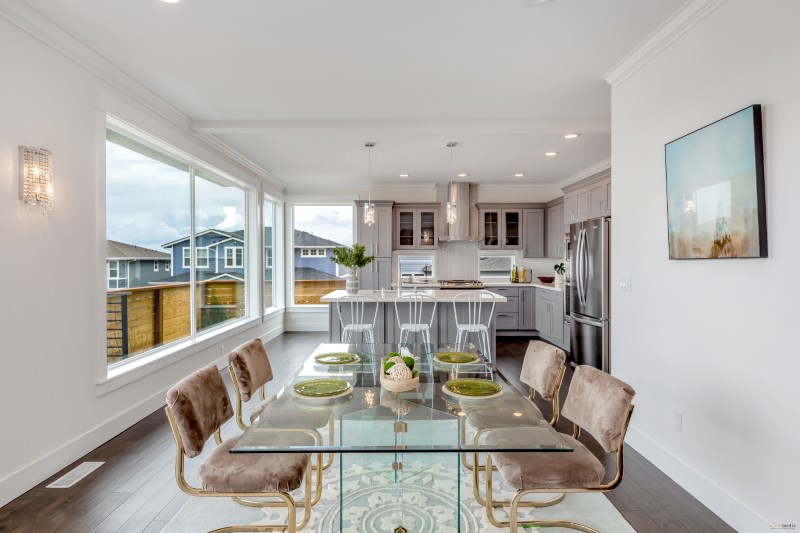
LVP Flooring Cost Changes From Room to Room
LVP flooring cost can look very different from one room to another. Although material price is important, square footage is only the beginning. Room shape matters. Existing flooring matters. Moreover, installation complexity can significantly change the final price.
A straightforward bedroom may require relatively few cuts. However, a kitchen with cabinets, islands, doorways, and transitions may require considerably more installation work.
Furthermore, bathrooms and basements may require extra attention to moisture conditions and floor preparation. Therefore, homeowners should estimate LVP flooring by room instead of using one simple number for the entire home.
Recent 2026 U.S. guides show broad installed LVP ranges of roughly $4 to $14 or more per square foot depending on material tier, labor, and project complexity. Consequently, a realistic estimate should use a range instead of assuming one universal price.
Calculate LVP Flooring Cost by Square Footage
The first step is measuring the installation area. However, do not automatically order exactly the measured square footage.
Additional material is generally needed for cuts and layout adjustments. Furthermore, complicated rooms or patterns may produce more waste.
For early budgeting, homeowners can multiply room size by an estimated installed price range. For example, using a planning range of $5 to $12 per square foot produces the following rough estimates:
| Flooring Area | Example Installed Budget |
|---|---|
| 100 sq. ft. | $500–$1,200 |
| 200 sq. ft. | $1,000–$2,400 |
| 300 sq. ft. | $1,500–$3,600 |
| 500 sq. ft. | $2,500–$6,000 |
| 1,000 sq. ft. | $5,000–$12,000 |
These examples are planning estimates rather than quotes. In addition, they may not include major floor repairs, difficult removal, stairs, or unusual installation conditions.
Therefore, obtain project-specific pricing before making a purchase decision.
LVP Flooring Cost for Bedrooms
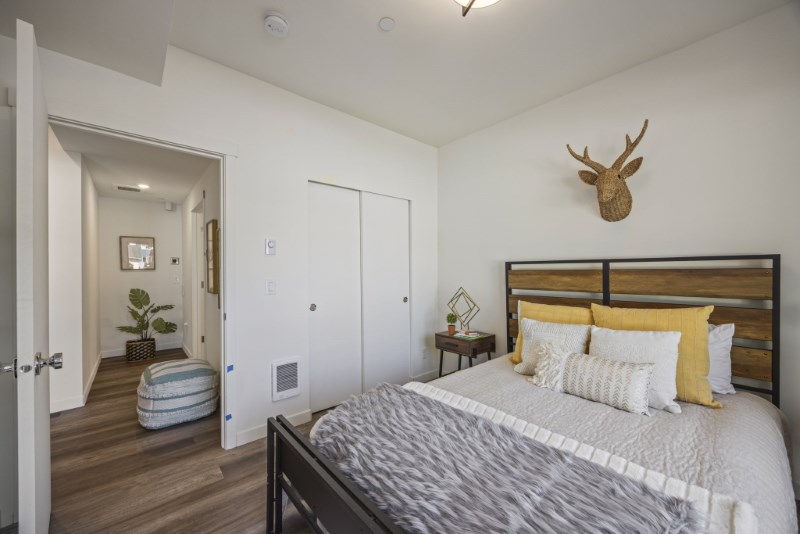
Bedrooms carry lighter traffic, so the specification can usually be more modest than a kitchen or entry.


Bedrooms are often among the simpler rooms for LVP installation. Typically, they have relatively straightforward layouts. Therefore, labor can sometimes be easier to estimate.
However, furniture removal may still need consideration. Closets also add square footage and extra cuts.
Furthermore, the condition of the existing flooring affects preparation. For example, carpet removal may expose subfloor areas that need repair before the LVP is installed.
In addition, buyers should consider whether flooring will continue through a hallway or stop at the bedroom entrance. Transitions may be required when different flooring materials meet.
Consequently, even a simple bedroom deserves a complete project estimate.
LVP Flooring Cost for Living Rooms
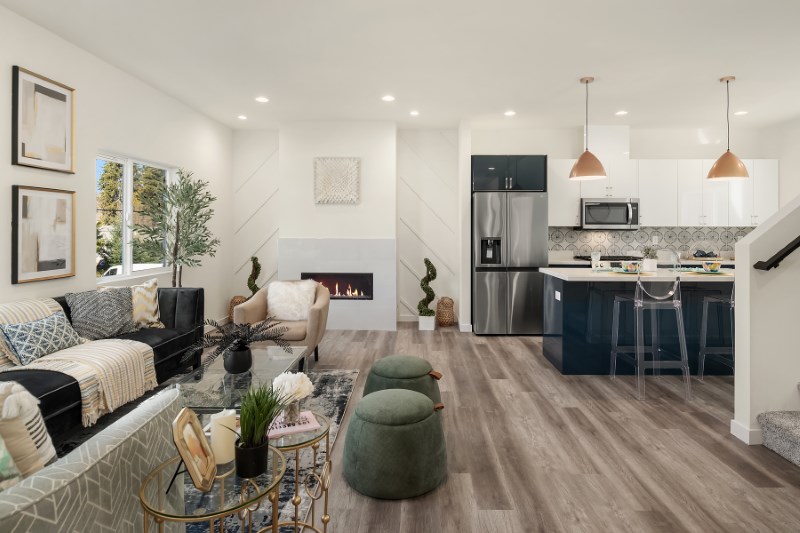
Larger open rooms suit longer and wider boards, which show fewer seams across a big floor area.


Living rooms are often larger than bedrooms. Therefore, total material cost can rise quickly.

However, larger rectangular rooms may also be relatively efficient to install. Fewer obstacles can reduce complicated cutting. Moreover, continuous flooring through connected living and dining spaces can create a clean visual result.
Open floor plans require careful measurement. In addition, homeowners should determine where the flooring will begin and end before calculating material requirements.
Most importantly, consider how plank direction will work across the entire space. Layout decisions may affect both appearance and material waste.
LVP Flooring Cost for Kitchens
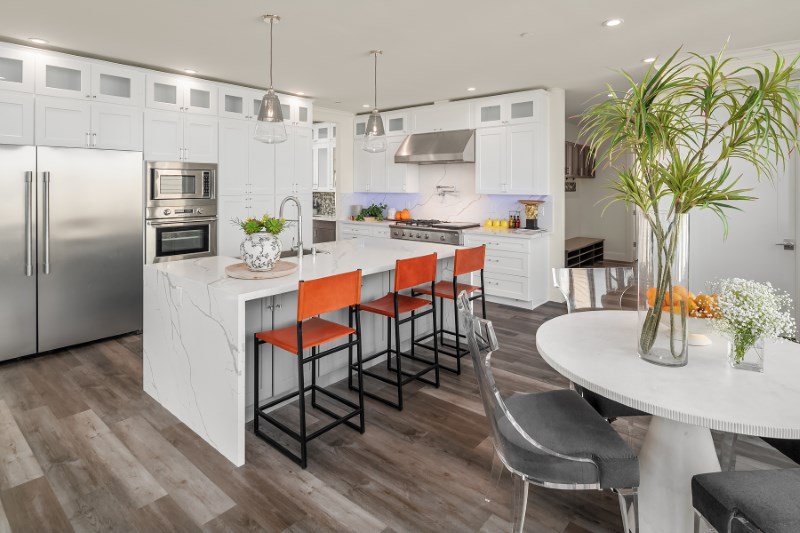
Kitchens need a wear layer matched to daily traffic. Always confirm the approved application in the manufacturer documentation.

Kitchens can require more planning. Cabinets, islands, pantries, doorways, and appliances may make installation more complicated.
Furthermore, flooring specifications should be reviewed carefully for the intended kitchen application. Water-resistant or waterproof product claims should always be interpreted according to the manufacturer's documentation.
Moreover, a waterproof flooring surface does not make the entire room waterproof. Water can still reach walls, cabinets, subfloors, and openings around plumbing.
Therefore, leaks around sinks, refrigerators, or dishwashers should be addressed promptly.
From a budgeting perspective, kitchens may also require more cuts and transitions. Consequently, labor cost per square foot can differ from a similarly sized open bedroom.
LVP Flooring Cost for Bathrooms

Stone-look planks read as tile without the grout lines. The product still has to be approved for the location.
Bathrooms are usually smaller. However, smaller does not automatically mean cheaper per square foot.
Toilets, vanities, plumbing penetrations, and narrow spaces may increase installation complexity. Furthermore, moisture management remains essential.
The flooring product must be suitable for the intended location. In addition, the bathroom itself still needs proper construction and moisture protection where required.
Therefore, buyers should not choose flooring solely because the packaging uses the word “waterproof.”
Most importantly, verify the manufacturer's installation guidelines before ordering.
LVP Flooring Cost for Basements
Basements can be excellent candidates for certain LVP systems. However, concrete conditions may influence the total budget.
The slab should first be evaluated according to the flooring manufacturer's requirements. Furthermore, moisture testing or preparation may be necessary.
Uneven areas may also require correction. Consequently, subfloor preparation can become a larger part of the project cost than expected.
In addition, basements often cover substantial square footage. Therefore, even a small difference in material price can have a noticeable impact on the final budget.
For example, a $1-per-square-foot difference equals $800 across an 800-square-foot installation.
Why Room Shape Changes Installation Cost

Herringbone uses a different plank format and a more detailed layout, which affects both material and labor.

Two rooms can have the same square footage and still cost different amounts to install.
A 300-square-foot rectangular room may require straightforward cuts. In contrast, a 300-square-foot area with multiple corners, closets, columns, and doorways can take considerably more time.
Moreover, diagonal or specialty layouts can increase waste. Herringbone layouts may also use different plank formats and installation requirements.
Oscar Surfaces, for example, currently lists both straight-set and herringbone luxury vinyl plank collections. Therefore, homeowners can compare traditional layouts with more decorative alternatives when planning the project.
Material Quality Can Change the Budget

Not every LVP product has the same construction. Therefore, compare specifications before comparing prices.
Thickness can differ. Wear layers can differ. Furthermore, core construction, bevel details, attached backing, finish, and locking systems can vary between products.
A lower material price may be attractive. However, the product still needs to match the room's traffic level and intended application.
Meanwhile, premium flooring can increase the upfront investment. In return, buyers may prefer its appearance, dimensions, surface texture, or performance specifications.
Consequently, the goal should be finding appropriate value rather than simply locating the lowest price.
Watch for Hidden Project Expenses
When estimating LVP flooring cost, remember the expenses surrounding the planks.
Old flooring may need removal. Furthermore, subfloor preparation may be required.
Transitions and moldings can add cost. In addition, delivery, adhesives, underlayment, tools, disposal, and furniture moving may apply depending on the project.
Stairs are another important consideration. They require different installation components and significantly more detailed work than an open floor.
Therefore, ask for an itemized estimate whenever possible.
How to Build a Smarter LVP Budget
First, measure every room carefully. Then, identify how the spaces connect.
Next, choose a realistic product category instead of selecting flooring purely by price. Furthermore, compare the installation requirements of several options.
After that, evaluate the existing floor. Determine whether removal or preparation is likely to be necessary.
In addition, include a contingency amount for conditions that may not become visible until the existing flooring is removed.
Most importantly, calculate the total project cost, not just the cost of the boxes.
Compare LVP Flooring Before You Buy
Understanding room-by-room LVP flooring cost helps homeowners avoid budget surprises. Moreover, it makes comparing products more meaningful.

A low price per square foot can look attractive. However, the final decision should also consider appearance, durability specifications, installation method, room conditions, and long-term use.
Therefore, begin with your room measurements. Compare suitable products next. Finally, review the entire installation budget before ordering.
Planning a remodel? Explore the luxury vinyl plank selection from Oscar Surfaces, compare wood looks, plank sizes, patterns, and product specifications, then choose flooring that fits both your space and your project budget.
FAQ: LVP Flooring Cost by Room
How much does LVP flooring cost for a bedroom?
Using a planning range of about $5 to $12 per square foot installed, a 150-square-foot bedroom estimates to roughly $750 to $1,800. However, closets add square footage and extra cuts. Furthermore, carpet removal may expose subfloor areas needing repair. Therefore, request a complete estimate rather than a material-only figure.
Why does a kitchen cost more to floor than a bedroom of the same size?
Kitchens contain cabinets, islands, pantries, appliances, and multiple doorways. Consequently, installers spend more time cutting and fitting around obstacles. In addition, kitchens often need more transitions where the flooring meets other rooms. Therefore, labor cost per square foot can be higher even when the square footage is identical.
Does a small bathroom cost less per square foot than a large room?
Not necessarily. Smaller usually means a lower total, but the price per square foot can actually rise. Toilets, vanities, plumbing penetrations, and narrow spaces each add fitting work to a small area. Therefore, compare total project cost by room rather than assuming small rooms are proportionally cheaper.
Can LVP flooring be installed in a basement?
Many LVP systems are suitable for below-grade installation. However, the concrete slab should first be evaluated according to the flooring manufacturer's requirements. Moisture testing, leveling, or other preparation may be necessary. Therefore, confirm the approved application and installation guidelines for the specific product before ordering.
Does herringbone LVP cost more to install than straight-set?
Generally, yes. Herringbone layouts may use different plank formats and more detailed installation requirements. Moreover, diagonal and specialty patterns can increase waste. Therefore, when comparing a decorative layout with a straight-set installation, ask the installer to price both the material and the labor separately.
How do I measure a room for LVP flooring?
Measure length by width for each area, then add closets, alcoves, and any space where the flooring will continue. Next, identify how the rooms connect and where the floor will stop. However, always add an allowance for cuts and waste, confirmed with the retailer or installer before ordering.
Should LVP flooring run continuously through connected rooms?
Continuous flooring through connected living and dining spaces can create a cleaner visual result. However, it also requires careful measurement and a decision about plank direction across the whole area. In addition, stopping at a doorway means transitions may be required. Therefore, settle the layout before calculating material.
Is waterproof LVP enough to protect a bathroom?
No. A waterproof flooring surface does not make the entire room waterproof. Water can still reach walls, cabinets, subfloors, and openings around plumbing. Therefore, the bathroom still needs proper construction and moisture protection where required, and any leaks should be addressed promptly.
How much should I budget for LVP flooring on stairs?
Stairs are priced separately from open floor area because they require different installation components and significantly more detailed work. Consequently, a per-square-foot floor estimate will not cover them. Therefore, ask the installer to quote stairs as their own line item on an itemized estimate.
How much contingency should I add to an LVP flooring budget?
Include an amount for conditions that may not become visible until the existing flooring is removed, such as subfloor damage, unevenness, or moisture concerns. However, the appropriate figure depends on the age and condition of the home. Therefore, discuss likely scenarios with the installer before work begins.