LVP Flooring Cost Guide: Prices, Labor & Smart Savings Tips
By TYCENT LE Home Renovation Trends Editor, Oscar Surfaces
September 21, 2026
Understand LVP flooring cost by materials, labor, subfloor prep, room size, and installation. Compare key expenses and plan your flooring budget with confidence.

LVP Flooring Cost: What Should You Expect to Pay?
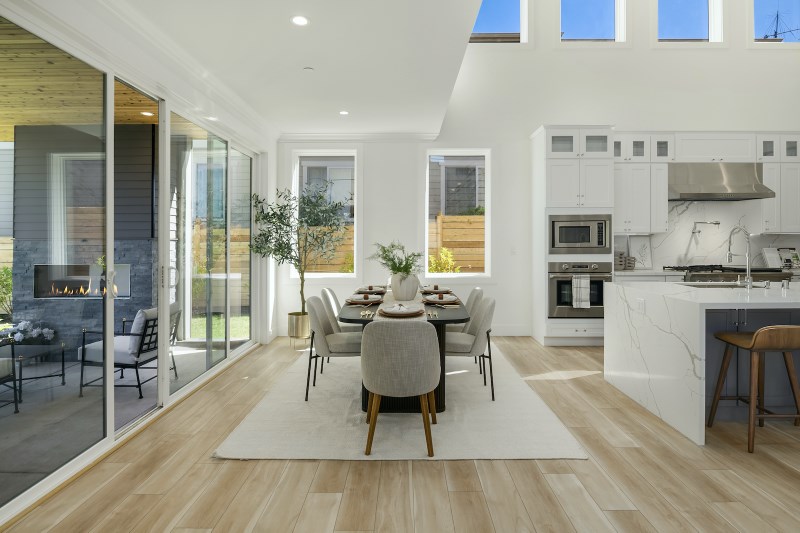
LVP flooring cost is one of the first questions homeowners ask before starting a flooring project. However, the final price depends on much more than the number printed on a flooring sample. Material quality matters. Installation also matters. Furthermore, the condition of the existing floor can significantly change the total budget.
In 2026, recent U.S. flooring guides show that LVP materials commonly range from about $2 to $10 per square foot. Moreover, professional installation can add several dollars per square foot. As a result, professionally installed projects may fall roughly between $4 and $14 or more per square foot, depending on the product, installation method, layout, and preparation required.
Therefore, buyers should avoid comparing flooring by material price alone. Instead, compare the complete project cost. Most importantly, consider the flooring, labor, preparation, trim, waste, delivery, and other installation materials before making a final decision.
What Determines LVP Flooring Cost?

Several factors influence the price of luxury vinyl plank flooring. First, product quality can make a major difference. Entry-level products may offer a lower upfront price. However, premium products may include stronger cores, enhanced bevels, thicker wear layers, or more realistic wood visuals.
Furthermore, plank dimensions can influence pricing. Wider or longer planks may create a more premium appearance. In addition, specialty layouts, such as herringbone patterns, may require different products and more detailed installation.
The wear layer is another important consideration. Generally, products designed for heavier traffic may use more robust surface protection. Therefore, homeowners should match product specifications with the expected use of the room rather than automatically choosing the cheapest option.
Most importantly, compare value instead of focusing only on price per square foot.
Material Cost vs. Installed LVP Flooring Cost
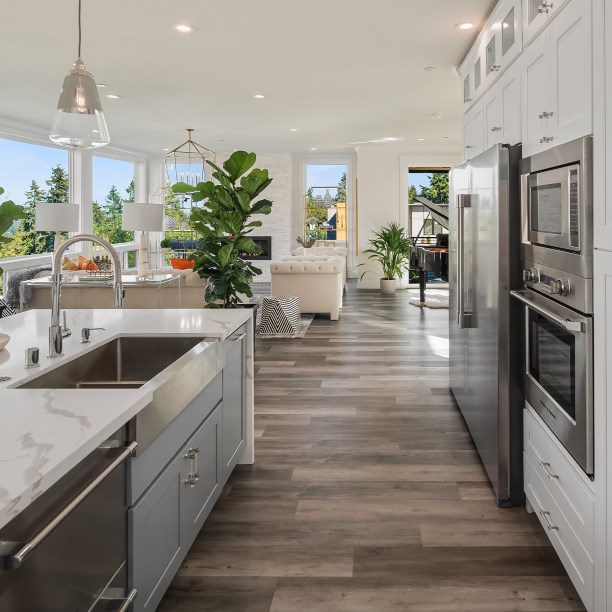
The material price is only one part of the project. For example, you may find LVP flooring at an attractive price per square foot. However, that price normally does not represent the complete finished-floor investment.
Professional labor can increase the total. Moreover, old-floor removal may add another expense. Subfloor repairs can also affect the budget. In addition, transitions, moldings, stair pieces, adhesives, underlayment, or installation accessories may be required.
Consequently, two homeowners purchasing the same flooring could end up with very different project totals.
One home may have a clean, flat subfloor and a simple rectangular room. Therefore, installation may be straightforward. Another home may require floor removal, leveling, moisture evaluation, or extensive cuts. As a result, its installation cost may be considerably higher.
How Subfloor Preparation Affects the Budget
Subfloor preparation is easy to overlook. However, it can be one of the most important parts of a successful installation.
The surface generally needs to meet the flooring manufacturer's installation requirements. Furthermore, significant high spots, low spots, damage, or movement may need correction before the new floor is installed.
For example, installing a new floor over an unsuitable surface can create problems later. Therefore, paying for proper preparation may protect the overall flooring investment.
Moisture conditions also deserve attention, especially over concrete slabs or in below-grade spaces. In addition, installers may recommend appropriate testing or moisture-control measures based on the flooring system and project conditions.
Most importantly, preparation costs should be identified before installation begins whenever possible.
DIY vs. Professional Installation
DIY installation can reduce LVP flooring cost, especially when using a click-lock product. However, homeowners should consider the entire project before deciding to install the floor themselves.
A simple bedroom may be manageable for an experienced DIY homeowner. In contrast, large open spaces, doorways, stairs, irregular layouts, or difficult transitions can require more planning.
Furthermore, DIY installation still requires tools and time. Waste from incorrect cuts can also increase material consumption. Therefore, eliminating professional labor does not eliminate every installation-related expense.

Professional installation costs more upfront. However, an experienced installer may complete complicated layouts more efficiently. In addition, professional installation may be preferable when extensive subfloor preparation is required.
Consequently, compare the potential savings with the complexity of the specific project.
Example LVP Flooring Budget
A practical budget can start with the square footage of the area.
For example, assume a homeowner needs flooring for approximately 500 square feet. Using a broad planning range of roughly $5 to $12 per square foot for a typical professionally installed project would create an initial estimate of approximately $2,500 to $6,000.
However, this is only an example. Actual prices vary by region, material selection, installer, preparation requirements, and project complexity. Recent U.S. cost sources also show substantial variation between entry-level and premium installations.
Furthermore, buyers normally need more flooring than the exact measured area. Cuts and installation waste should be considered. Therefore, confirm the recommended quantity with the flooring manufacturer, retailer, or installer before ordering.
Additional Costs Homeowners Often Forget
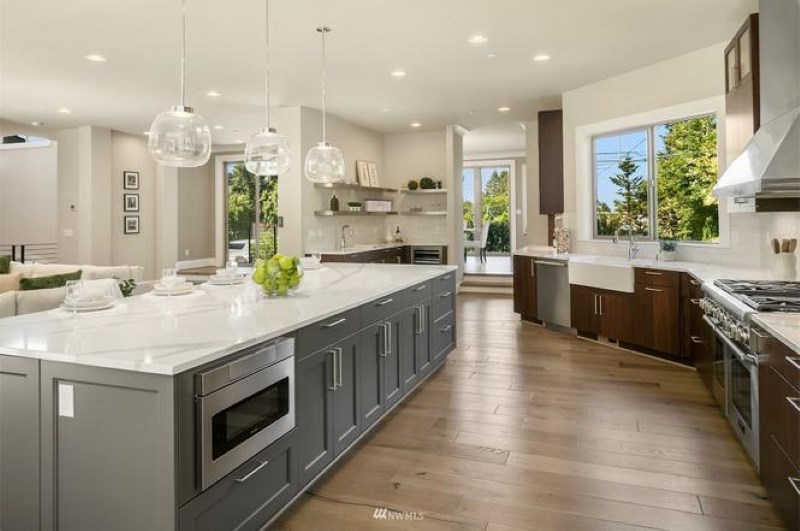
Floor removal is one commonly overlooked expense. For instance, removing carpet may involve different work than removing tile or glued-down flooring.
Baseboards and trim may also affect the budget. Moreover, door transitions and reducers may be required where LVP meets another flooring material.
Furniture moving can create another cost. In addition, complicated room layouts may require more cuts and installation time.
Shipping and delivery should also be reviewed before checkout. Therefore, when comparing suppliers, compare the complete purchase rather than only the advertised plank price.
Most importantly, ask what is included in an installation quote. A lower initial quote may not always represent the lowest final cost.
How to Reduce LVP Flooring Cost Without Sacrificing Quality
Before You Install Vinyl Flooring… Know This. Source From Youtube of Oscar Surfaces
Start by defining the performance your room actually needs. For example, a low-traffic guest bedroom may have different requirements than a busy kitchen or rental property.
Next, compare several styles within the same performance category. Furthermore, check product specifications instead of making a decision from appearance alone.
Buying during promotional periods may also reduce material costs. However, confirm availability before planning the installation date.
In addition, accurately measuring the space can prevent unnecessary overordering. At the same time, ordering too little can create delays or possible color-lot concerns if additional flooring must be purchased later.
Therefore, balance careful measurement with an appropriate waste allowance.
Is More Expensive LVP Always Better?

Not necessarily. A higher price may reflect stronger specifications, a specialty design, larger plank dimensions, or enhanced surface details. However, price alone does not prove that a product is ideal for every project.
Instead, compare thickness, wear layer, core construction, installation system, surface finish, warranty terms, and intended application.
Furthermore, consider the visual result. A product that closely matches the desired interior style can deliver more value than a cheaper floor that may need to be replaced simply because the homeowner dislikes the appearance.
Most importantly, choose based on the combination of performance, design, and budget.
Shop Smarter for Your Next LVP Floor
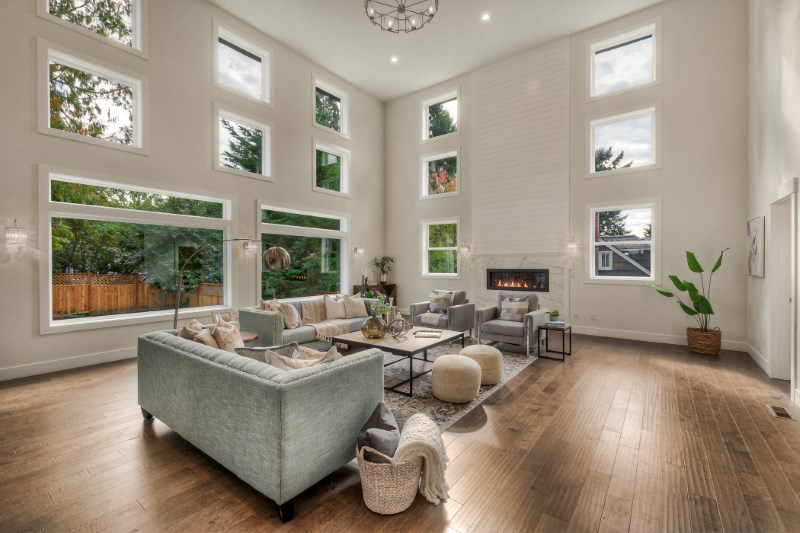
Understanding LVP flooring cost makes comparing products much easier. However, the smartest budget includes more than the advertised flooring price.
Consider the material first. Then, estimate installation and preparation. Furthermore, include trim, waste, removal, and delivery where applicable.
Oscar Surfaces offers a broad selection of luxury vinyl plank flooring, including wood-look, click-lock, waterproof, and specialty pattern options. Current product pages should always be checked for live pricing and availability.

Comparing LVP flooring prices at the Oscar Surfaces showroom ensures smart savings on your project. Photoshoot by Pixel Commerce Studio
Ready to plan your flooring project? Explore Oscar Surfaces luxury vinyl planks, compare styles and specifications, and find an LVP option that fits your design goals and budget.
FAQ: LVP Flooring Cost
How much does LVP flooring cost per square foot?
LVP flooring cost can vary widely depending on product quality, thickness, wear layer, design, and brand. In general, material costs may range from approximately $2 to $10 per square foot. Furthermore, professional installation can increase the total project cost. Therefore, homeowners should compare both material and installation expenses before setting a final budget.
How much does it cost to professionally install LVP flooring?
Professional LVP flooring installation often adds several dollars per square foot to the material price. However, labor rates vary by location, room layout, installation method, and subfloor condition. In addition, floor removal, leveling, transitions, and trim may increase the final cost. Therefore, requesting an itemized installation estimate is recommended.
What is the average total LVP flooring cost with installation?
The total LVP flooring cost with professional installation may commonly fall around $4 to $14 or more per square foot. However, premium flooring, complicated layouts, extensive subfloor preparation, or specialty installations can cost more. Consequently, the final price should be calculated for the specific project rather than based on a single national average.
How much does LVP flooring cost for 1,000 square feet?
For a 1,000-square-foot project, an estimated installed budget may range from approximately $5,000 to $12,000 when using a general planning range of $5 to $12 per square foot. However, actual pricing can vary significantly. Furthermore, removal, repairs, stairs, moldings, and unusual installation conditions may increase the total.
What factors affect LVP flooring cost the most?
Several factors can affect LVP flooring cost. These include material quality, wear layer, plank construction, installation method, labor rates, room size, subfloor preparation, and project complexity. Moreover, specialty patterns and difficult layouts may require additional material and labor. Therefore, comparing total project costs is more useful than comparing plank prices alone.
Is it cheaper to install LVP flooring yourself?
DIY installation can reduce labor expenses, especially when using a click-lock LVP system. However, homeowners may still need tools, preparation materials, underlayment, trim, and extra flooring for mistakes or cuts. In addition, complicated layouts can make installation more difficult. Therefore, DIY installation may save money when the homeowner has suitable experience and the project is straightforward.
Does subfloor preparation increase LVP flooring cost?
Yes. Subfloor preparation can increase the total LVP flooring cost when the existing surface requires leveling, repairs, cleaning, or moisture-related work. Furthermore, an unsuitable subfloor can affect the performance of the finished flooring. Therefore, proper preparation should be included in the project budget rather than treated as an optional expense.
Is expensive LVP flooring always better?
Not necessarily. Higher-priced LVP may include enhanced visuals, thicker wear layers, premium cores, larger plank sizes, or upgraded surface textures. However, the most expensive product is not automatically the best choice for every room. Most importantly, homeowners should compare specifications, warranty terms, installation requirements, design, and intended use.
What hidden costs should I include in an LVP flooring budget?
In addition to the flooring itself, homeowners should consider old-floor removal, subfloor preparation, delivery, underlayment, adhesives, transitions, moldings, baseboards, furniture moving, and disposal. Moreover, complex layouts may require extra material because of cutting waste. Therefore, creating a complete project budget can help prevent unexpected expenses.
How much extra LVP flooring should I order for waste?
The amount of extra flooring required depends on the room shape, plank layout, and installation pattern. Straightforward installations typically produce less waste than diagonal or specialty layouts. However, homeowners should always follow the manufacturer's or installer's recommended waste allowance. In addition, ordering enough material at one time may help avoid availability or production-lot issues later.
Can room size affect the price per square foot for LVP installation?
Yes. Although larger rooms require more material, simple open layouts can sometimes be more efficient to install than smaller rooms with many corners or obstacles. Furthermore, closets, doorways, cabinets, stairs, and transitions can increase labor requirements. Therefore, installation complexity can sometimes affect the price per square foot as much as total room size.
How can I lower LVP flooring cost without choosing the cheapest product?
Start by comparing products with the specifications your space actually requires. Furthermore, measure the area accurately to avoid unnecessary overordering. Homeowners can also compare several flooring styles, installation methods, and professional quotes. Most importantly, consider total value, including durability, appearance, installation requirements, and long-term performance, instead of selecting flooring based only on the lowest price.
Is LVP flooring worth the cost?
LVP can provide strong value for homeowners who want the appearance of wood or stone with practical maintenance and a wide range of design options. However, value depends on selecting the right product for the room and installing it correctly. Therefore, buyers should compare performance specifications, design preferences, installation costs, and budget before making a decision.
Does waterproof LVP cost more than standard vinyl flooring?
Waterproof or water-resistant LVP products may sometimes cost more because of their construction, core materials, or performance features. However, pricing varies considerably between manufacturers and product collections. Furthermore, a waterproof flooring surface does not make the entire room waterproof. Therefore, buyers should review the exact product specifications instead of choosing solely based on a waterproof label.
Where can I compare LVP flooring styles and prices?
Homeowners can compare LVP flooring by reviewing product specifications, plank sizes, colors, patterns, installation systems, and current pricing. In addition, comparing several collections can make it easier to balance design goals with budget requirements. For a wide selection of luxury vinyl plank styles, explore Oscar Surfaces LVP flooring collections and compare available wood looks, plank formats, and installation options before planning your project.